Key Takeaways
- • Lal Dora lands are exempt from building bylaws, meaning builder floors lack MCD/DDA sanctioned plans and structural safety certifications.
- • A registered sale deed or GPA does not guarantee ownership of a specific floor in Lal Dora land due to the lack of vertical division rights.
- • Nationalized banks refuse loans on Lal Dora builder floors, making resale difficult and lowering long-term value.
The Tempting But Dangerous Lal Dora Market
If you search for flats in Delhi's Chhattarpur, Uttam Nagar, or Neb Sarai, you will find beautiful 3 BHK builder floors listed for a fraction of the cost of DDA flats. The agents will assure you: "Sir, registry is available, electricity and water meters are installed, and families are already living here. It is completely safe."
Do you think having a registered deed and paying utility bills makes you the legal owner of that floor? NO.
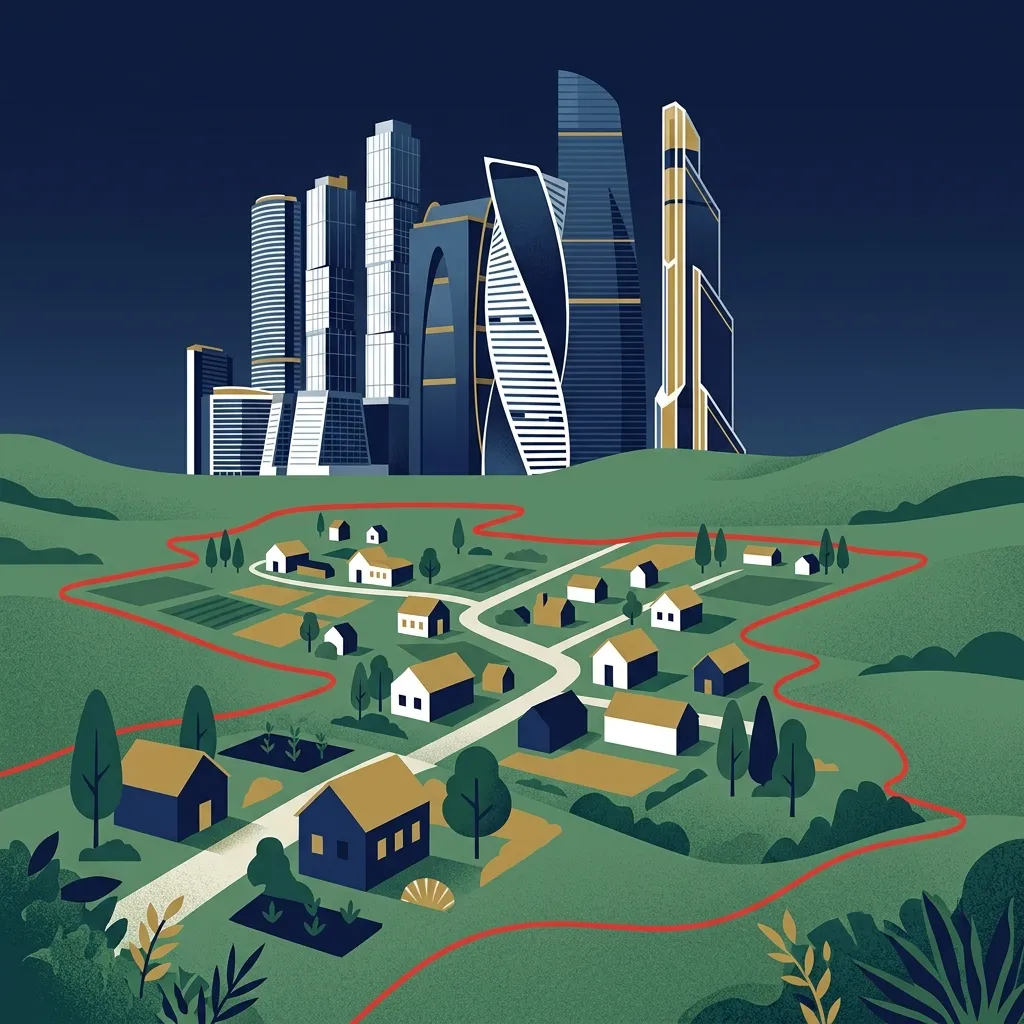
In Lal Dora lands (designated village residential areas in Delhi), the standard rules of municipal planning do not apply. While this exemption originally aimed to help villagers, private builders have exploited it to construct multi-story buildings on small plots. These properties lack municipal layout approvals, structural safety certificates, and fire safety clearances. If the municipal body decides to act, these structures face immediate demolition threats.
The Illusion of Floor Registry
Homebuyers are often reassured when the sub-registrar office accepts their sale deed or General Power of Attorney (GPA) for registration. They assume: "If the government registered the document, it must be legal."
Do you think a registered deed proves that your specific floor is legal? NO.
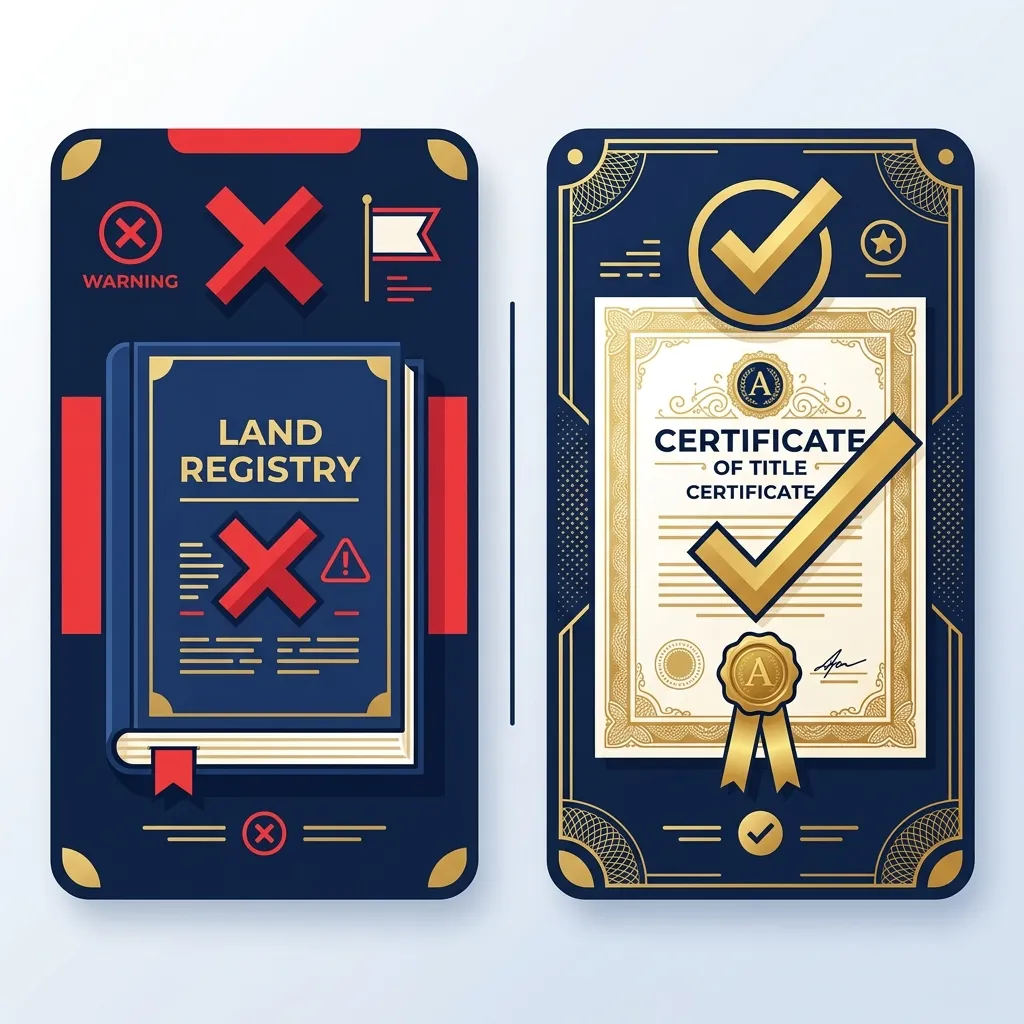
The sub-registrar's office registers documents to collect stamp duty; they do not verify building plan compliance or zoning laws. In Lal Dora lands, there is no concept of "vertical division" of ownership. When you buy a floor, you are often buying an undivided share of the land, which does not guarantee legal right to a specific apartment. If the building collapses or is demolished, your legal claim to that "second floor space" vanishes entirely.
Why Financial Institutions Avoid Lal Dora
If you apply for a home loan from a nationalized bank (like SBI or PNB) to buy a Lal Dora builder floor, you will likely face immediate rejection. Banks refuse to mortgage these properties because:
- They lack sanctioned building plans from the MCD or DDA.
- There are no formal Completion Certificates (CC) or Occupancy Certificates (OC).
- The land title is often registered as collective village land with no clear boundaries.
Without bank funding, your pool of future buyers is limited to cash-rich investors, severely depressing the resale value and liquidity of your property.
Steps to Check Lal Dora Titles
If you must buy in a Lal Dora area, you need to conduct a specialized verification protocol:
- Verify the land entry in the Lal Dora Register (Lal Kitaab) at the local Tehsil office.
- Confirm the seller has a registered Conveyance Deed, not just a chain of GPAs.
- Obtain a certificate from the Revenue Department confirming the land is not under acquisition for DDA projects.
Do not let low prices and modern interiors blind you. Verify the title before you pay, because in Lal Dora lands, the risks often far outweigh the rewards.
This Section is Gated & Premium
This guide contains actionable legal steps, risk checklists, and expert templates. Unlock this guide along with the complete Property Buying Guide PDF for ₹349.