Key Takeaways
- • RERA is a marketing license to sell, NOT an official title registry. It does not guarantee clear ownership.
- • Bank legal panels evaluate loan recovery risk, not the buyer's equity. They frequently accept developer indemnity bonds instead of clear title chains.
- • Independent legal due diligence is the ONLY way to uncover hidden court litigations and physical plan deviations.
The Dangerous Mirage of RERA Registration
Go to any builder's site in Noida, Gurugram, or Lucknow, and the salesperson will wave the RERA registration number like a shield of absolute immunity. They will ask: "Sir, why are you worried? It is RERA registered!"
Do you think a RERA registration guarantees that the builder actually owns the land, or that the title is free of legal disputes? NO.
RERA is a regulatory authority. Its job is to ensure that the developer submits plans, keeps 70% of buyer funds in an escrow account, and adheres to construction timelines. RERA does NOT perform a 30-year historical title search at the Sub-Registrar office. If a third-party claimant shows up tomorrow with an ancestral partition deed proving they own a portion of that land, RERA will not protect you. The project will get stuck in litigation, and your hard-earned money will be locked indefinitely.
The "Bank Approved" Trap: Who Are They Protecting?
The second layer of false security is bank approval. Buyers believe that if a nationalized bank or a major housing finance company is funding the project, the bank's lawyers must have verified every single document. They assume: "The bank wouldn't risk its money, so my investment is safe."
Do you think a bank-approved home loan means the property title has zero legal defects? NO.
Here is the hard truth: bank legal panels work for the bank, not for you. The bank's primary concern is debt recovery risk, not your long-term equity. If a builder has a strong balance sheet or provides corporate guarantees, the bank will often approve the project despite missing link documents or minor title discrepancies. They protect themselves by taking an **indemnity bond** from the developer. If the project gets stalled or declared illegal, the developer is bound to pay the bank—but you, the buyer, are left paying EMIs for a flat that exists only on paper.

What Banks and RERA Quietly Ignore
When a bank legal panel audits a project, they verify a checklist of basic documents. However, their physical audits and deep litigation reviews are severely limited. Here is what they routinely miss:
- Physical Construction Deviations: Builders often construct extra floors or convert stilt parking into commercial shops. These structural violations are rarely audited by paper-focused bank legal panels, but they can trigger municipal demolition notices.
- Local Revenue Court Disputes: Active litigations in regional revenue courts (Tehsildar, SDM) regarding agricultural land mutation (Khasra/Khatauni) are rarely captured in standard Sub-Registrar search reports.
- Family Shareholder Claims: Gaps in the ancestral partition deeds or claims by minor heirs that arise years after construction starts.
How to Actually Secure Your Investment
To ensure your investment is genuinely secure, you must break free from the illusion of developer-sponsored assurances. You need an independent, third-party due diligence audit that represents your interests alone.
Before signing the booking form or paying the token amount, ensure you:
- Conduct a 30-to-50-year independent title search at the Sub-Registrar's office, tracing every transaction.
- Verify the physical site boundaries and confirm that construction matches the sanctioned municipal maps, not just the marketing brochure.
- Perform an active litigation search in both District Courts and regional revenue tribunals.
Do not let bank logos or RERA certificate frames blind you to the realities of property transactions. Invest in independent verification—because a single title defect can wipe out your lifetime savings.
This Section is Gated & Premium
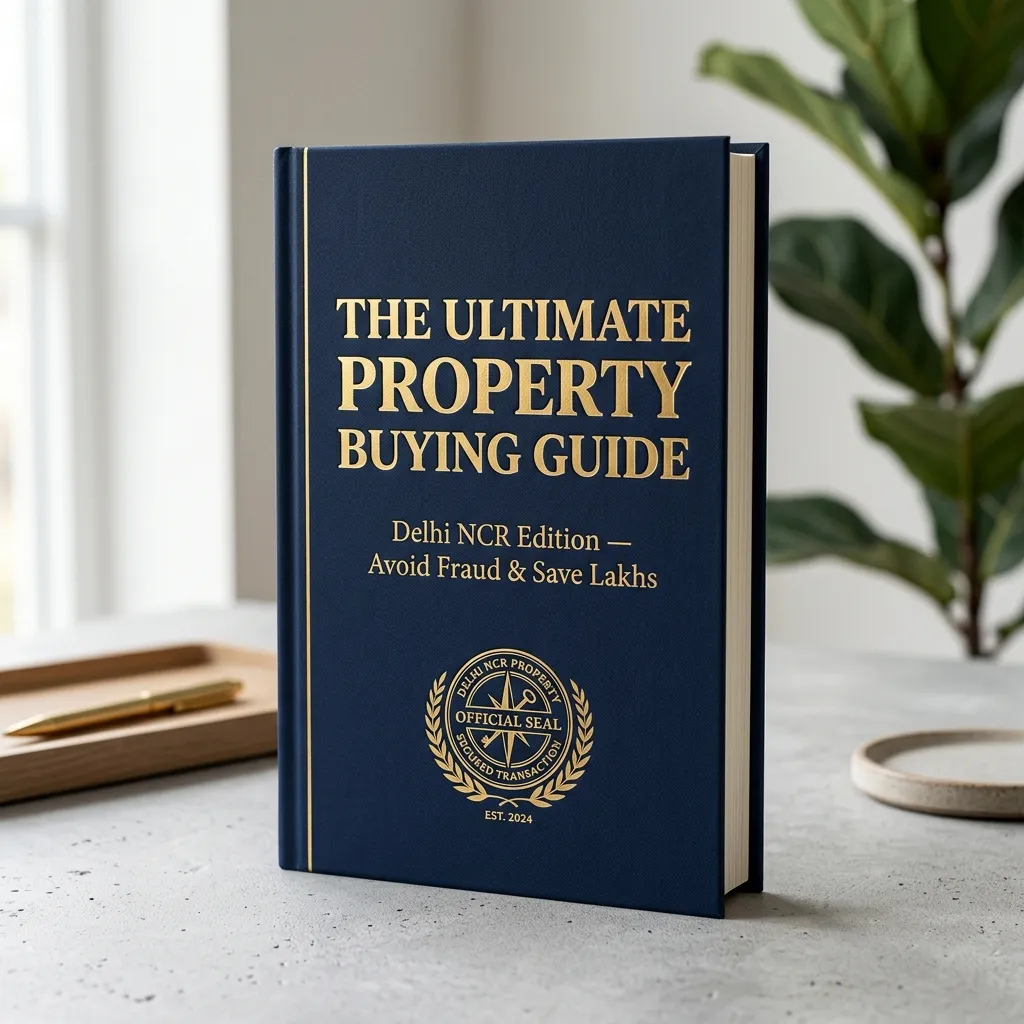
This guide contains actionable legal steps, risk checklists, and expert templates. Unlock this guide along with the complete Property Buying Guide PDF for ₹349.